

Ilenia Matera
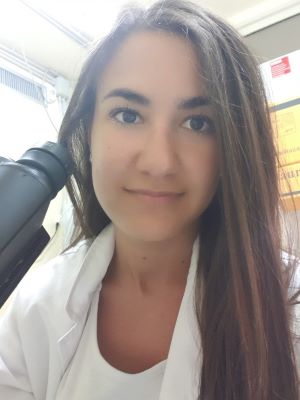
“To cure cancer, we must first understand it - research is the key.”
Contact: ilenia.matera@unibas.it
My research project is dedicated to advancing our understanding of cancer with the goal of identifying novel therapeutic targets for anti-cancer treatment. Specifically, I have concentrated on exploring the role of the ABCC6 protein within the context of liver tumor biology. ABCC6, a member of the ATP-binding cassette (ABC) transporter family, plays a critical role in purinergic signaling by facilitating the efflux of ATP and other nucleotides outside the cell. Given the crucial role of purinergic signaling in cancer biology, ABCC6 may play a critical role in regulating mechanisms involved in tumor progression.
This project aims to elucidate how ABCC6 influences hepatocarcinoma cell behavior, particularly focusing on its impact on tumor cell migration, cytoskeleton dynamics and purinergic signaling pathways. By employing advanced methods such as RNA transcriptome analysis, we have pinpointed altered pathways in liver cancer cells where the ABCC6 gene has been silenced. Our investigation involved performing in vitro assays to evaluate cell adhesion, migration, and invasion, along with analyzing EMT(epithelial-mesenchymal transition)-hallmarks. These studies have provided new insights into the role of ABCC6 in the metastatic progression of liver cancer. Our findings suggest that targeting ABCC6 through gene knockdown or pharmacological inhibition could offer a valuable strategy for improving anti-cancer treatments.
Additionally, we investigated the impact of Probenecid, an ABCC6 inhibitor, on liver cancer progression. Probenecid replicates many of the effects seen with ABCC6 silencing, although through different mechanisms. Moreover, we discovered a new function for Probenecid in angiogenesis, as it was effective in reducing tumor engraftment in nude mouse models of orthotopic liver cancer. Furthermore, my work at Trinity College Dublin involved examining the interactions between liver cancer cells with silenced ABCC6 and immune cells using flow cytometry, providing deeper insights into cellular dynamics and potential therapeutic implications. Overall, these contributions underscore the potential of targeting ABCC6 in cancer treatment and highlight the value of integrating various research methods to develop novel therapeutic strategies.
How my position is funded
My doctoral position is funded by the Department of Science, University of Basilicata, Italy.
My motivations
I pursued a PhD after earning my Bachelor's degree in Biotechnology and my Master's in Biotechnology for Medical, Pharmaceutical, and Veterinary Diagnostics because these experiences solidified my scientific foundation and ignited my passion for cancer research. For me, pursuing a PhD is more than a continuation of my education; it's an opportunity to make a meaningful contribution to the fight against cancer. The opportunity to engage in research that could lead to groundbreaking advancements in cancer treatment is profoundly inspiring and drives me to tackle critical scientific challenges.
Additionally, the PhD program allowed me to gain valuable international experience through an eight-month stint at Trinity Biomedical Sciences Institute (Trinity College Dublin, Ireland), Department of Immunology. This opportunity helped me improve my skills, broaden my knowledge and gave me a global view of immunology and cancer research.
After I finish my PhD, I plan to use what I've learned to contribute to drive innovative cancer treatments and improve public health. My ambition is to collaborate with clinicians, pharmacologists and other researchers to translate my findings into clinical practice. This interdisciplinary collaboration is essential for moving discoveries from the lab to the patient.
A day in a PhD student’s life
A typical day in my PhD program involves working in the cellular biochemistry laboratory, focusing on hands-on research in liver cancer cell biology. I spend much of my time in the cell culture room, where I work under sterile conditions to handle and manipulate mammalian cells, particularly liver cancer cells. My tasks include preparing samples and performing experiments to analyze gene and protein expression using Real-Time PCR and Western blotting techniques. I also conduct specialized assays such as migration, invasion, and clonogenic assays to study cancer cell growth and aggressiveness, and perform ELISA tests to detect specific cytokines in cell media to better understand the tumor microenvironment. Beyond lab work, I dedicate time to staying updated with the latest scientific literature, which helps me refine my research approach and explore new areas of study. Regular discussions with my supervisor and team are crucial for troubleshooting experiments, reviewing project progress, and planning future research steps. Additionally, I often collaborate with other research groups and contribute to projects outside the scope of my primary research, which broadens my knowledge and expands my professional network. I also enjoy mentoring students who come to the lab for internships, as it helps me develop communication and multitasking skills while supporting the next generation of scientists. Despite the busy schedule, every day includes some time to relax. There’s always time for a few breaks, often spent with the other PhD students and interns in the lab. We've developed a strong friendship and we frequently organize volleyball games and enjoy going out for dinner together. These breaks help maintain balance and make long hours in the lab more enjoyable. Finally, I spend time preparing presentations and writing scientific papers to share my research with the broader scientific community through conferences and publications.
My events
During my PhD, I had the opportunity to attend numerous events where I could travel, meet leading scientists and present my research. I visited Innsbruck (Austria) for a conference on ABC transporters, and I also participated in the European Biochemistry Conference organized by FEBS (Federation of European Biochemical Societies) in Milan (Italy). One of the most memorable experiences was attending a conference in the beautiful seaside town of Vieste (Italy), organized by the Italian Group of Biomembranes and Bioenergetics (GIBB). At that event, my oral presentation was selected as the best among all the PhD students, an award that made me both proud and grateful. I also took part in the National Meeting of PhD Students in Biochemistry, held annually in Brallo di Pergola (Italy), which brings together PhD students from across Italy to share their research. Additionally, I have attended numerous seminars organized by my university, both in person and online, which significantly enriched my knowledge and understanding of the field. For all three years of my PhD, I acted as a tutor for the ‘Piano Lauree Scientifiche (PLS)’ project in Biotechnology, organizing activities for secondary school students and teachers. These initiatives aimed to enhance scientific knowledge and support students in their transition from school to university through engaging laboratory experiences.
Contributions in conference proceedings accepted as oral presentations
- Matera, I.; Abruzzese, V.; Morelli, M.A.C.; Pistone, A.; Bisaccia, F.; Ostuni, A. Old drugs for new molecular targets: the complex activity of Probenecid. Meeting Intersezioni, Società Italiana di Biochimica e Biologia Molecolare. Messina 2024, Italy
- Matera, I.; Miglionico, R.; Abruzzese, V.; Marchese, G.; Ventola, G.M.; Morelli, M.A.C.; Bisaccia, F.; Ostuni. ABCC6 transport activity alters the adhesion dynamics and aggressiveness of HepG2 cells. Annual GIBB Meeting, Vieste 2024, Italy
Contributions in conference proceedings accepted as posters
- Matera, I.; Miglionico, R.; Abruzzese, V.; Marchese, G.; Ventola G.M, Morelli, M.A.C; Zaccagnino, R.; Pistone, A.; Rosa, M.; Bisaccia, F.; A, Ostuni. The Abcc6 knockdown alters the adhesion dynamics and aggressiveness of human hepatatoma HepG2 cells, FEBS Open Bio14 (Suppl. S2) FEBS 2024 48th Congress, Milan, Italy
- Pistone.A; Dandurand, J.; Monné, M.; Samouillan, V.; Rosa, M.; Laurita, A.; Bisaccia, D.; Matera, I.; Bisaccia, F.; Ostuni, A. The 75-99 URG7 peptide and its analogs modulate the α-synuclein structures. FEBS Open Bio14 (Suppl. S2), FEBS 2024 48th Congress, Milan, Italy
- Matera, I.; Morelli, M.A.C.; Zaccagnino, R.; Pistone, A.; Bisaccia, F.; Ostuni, A. Human ABCC6 protein comes into play in mechanisms which control the aggressiveness of hepatocarcinoma cells, SIB 2023 62th Congress, Florence, Italy
- Morelli, M.A.C.; Iuliano, A.; Matera, I.; Pistone, A.; Viggiani, L.; Ostuni, A. Protein and metabolic markers of oxidative and inflammatory stress are useful for delineating the biochemical profile of human follicular fluids. SIB Congress (2023)
- Matera, I.; Morelli, M.A.C.; Pistone, A.; Bisaccia, F.; Ostuni, A. ABCC6 transporter: a player in cancer cell migration. FEBS Open Bio13 (Suppl. S2), FEBS 2023 47th Congress, Tourse, France
- Pistone, A.; Matera, I.; Morelli, M.AC.; Sinisgalli, C.; Abruzzese. V.; Ostuni, A. Muscari comosum bulbs extract modulates the doxorubicin effects in human hepatocarcinoma cells. FEBS Open Bio13 (Suppl. S2), FEBS 2023 47th Congress, Tourse, France
- Ostuni, A.; Matera, I.; Morelli, M.A.C.; Bisaccia, F. The ABCC6 transporter is involved in pathways that regulate cell survival, 9th FEBS Special Meeting on ABC Proteins, Innsbruck, Austria (2023)
- Matera, I.; Morelli, M.A.C.; Bisaccia, F.; Ostuni, A. ABCC6 may be an appropriate target for anticancer therapy, 9th FEBS Special Meeting on ABC Proteins 2023, Innsbruck, Austria
- Matera, I.; Abruzzese, V.; Miglionico, R.; Koshal, P.; Bisaccia, F.; Ostuni, A. Silencing of ABCC6 transporter alters the expression level of proteins involved in adhesion and migration of hepatocarcinoma cells. FEBS 2022 46th Congress, Lisbon, Portugal
- Koshal, P.; Matera, I.; Abruzzese, V.; Ostuni, A.; Bisaccia, F. The crosstalk between periphery and CNS in relation to Parkinson disease. FEBS Open Bio12 (Suppl. S1) (2022)
- Matera, I.; Abruzzese, V.; Miglionico, R.; Giglio, F.; Bisaccia, F.; Ostuni, A. Transcriptome analysis of ABCC6-silenced HepG2 cells suggested new roles for the transporter. SIB 2021 61th VIRTUALCONGRESS
- Giglio, F.; Matera,I.; Pistone, A.; Petillo, A.; Ostuni, A. DIFFERENT BIOLOGICAL EFFECTS OF MUSCARI COMOSUM'S EXTRACTS ON HEPATOCARCINOMA (HepG2) AND IMMORTALIZED HUMAN HEPATOCYTE (IHH) CELL LINES. 61° SIB Congress (2021)
- Koshal, P.; Abruzzese, V.; Matera, I.; Ostuni, A.; Bisaccia, F. Protective effect of URG7 on the vitality of SH-SY5Y cell line against Dopamine and TNF-α treatment. 61° SIB Congress (2021)
- Abbruzzese, V.; Khoshal, P.; Matera, I.; Carmosino, M.; Milella, L.; Ostuni, A.; Bisaccia, F. Role of ABCC6 in PXE and cancer therapy. FEBS Open Bio, Vol. 11 Supp. 1 (2021)
- Giglio, F.; Morelli, M.A.C.; Matera, I.; Sinisgalli, C.; Rossano, R.; Ostuni, A. Muscari comosum L.: the ancient wild plant protagonist of the Mediterranean diet and its effects on liver cancer cells. FEBS Open Bio, Vol. 11 Supp. 1 (2021)
My publications
- A Regulator Role for the ATP-Binding Cassette Subfamily C Member 6 Transporter in HepG2 Cells: Effect on the Dynamics of Cell–Cell and Cell–Matrix Interactions
Authors: Ilenia Matera, Rocchina Miglionico, Vittorio Abruzzese, Giovanna Marchese, Giovanna Maria Ventola, Maria Antonietta Castiglione Morelli, Faustino Bisaccia and Angela Ostuni
Journal: International Journal of Molecular Sciences
Date: November 16, 2023
Volume: 26, Issue 2, Article 416
Link: https://doi.org/10.3390/ijms242216391
Abstract: There is growing evidence that various ATP-binding cassette (ABC) transporters contribute to the growth and development of tumors, but relatively little is known about how the ABC transporter family behaves in hepatocellular carcinoma (HCC), one of the most common cancers worldwide. Cellular model studies have shown that ABCC6, which belongs to the ABC subfamily C (ABCC), plays a role in the cytoskeleton rearrangement and migration of HepG2 hepatocarcinoma cells, thus highlighting its role in cancer biology. Deep knowledge on the molecular mechanisms underlying the observed results could provide therapeutic insights into the tumors in which ABCC6 is modulated. In this study, differential expression levels of mRNA transcripts between ABCC6-silenced HepG2 and control groups were measured, and subsequently, Gene Ontology (GO) and Kyoto Encyclopedia of Genes and Genomes (KEGG) analyses were performed. Real-Time PCR and Western blot analyses confirmed bioinformatics; functional studies support the molecular mechanisms underlying the observed effects. The results provide valuable information on the dysregulation of fundamental cellular processes, such as the focal adhesion pathway, which allowed us to obtain detailed information on the active role that the down-regulation of ABCC6 could play in the biology of liver tumors, as it is involved not only in cell migration but also in cell adhesion and invasion.
- Redox Balance and Inflammatory Response in Follicular Fluids of Women Recovered by SARS-CoV-2 Infection or Anti-COVID-19 Vaccinated: A Combined Metabolomics and Biochemical Study
Authors: Maria Antonietta Castiglione Morelli, Assunta Iuliano, Licia Viggiani, Ilenia Matera, Alessandro Pistone, Sergio C.A. Schettini, Paola Colucci and Angela Ostuni
Journal: International Journal of Molecular Sciences
Date: August 1, 2024
Link: https://doi.org/10.3390/ijms25158400
Abstract: To date, not many studies have presented evidence of SARS-CoV-2 infecting the female reproductive system. Furthermore, so far, no effect of the administration of anti-COVID 19 vaccines has been reported to affect the quality of oocytes retrieved from women who resorted to assisted reproduction technology (ART). The FF metabolic profiles of women who had been infected by SARS-CoV-2 before IVF treatments or after COVID-19 vaccination were examined by 1H NMR. Immunochemical characterization of proteins and cytokines involved in the redox and inflammatory pathways was performed. The increased expression of SOD2 and NQO1, the lack of alteration of IL-6 and CXCL10 levels, as well as the increased expression of CD39, suggested that, both sharing similar molecular mechanisms or proceeding along different routes, the redox balance is controlled in the FF of both vaccinated and recovered women compared to controls. The lower amount of metabolites known to have proinflammatory activity, i.e., TMAO and lipids, further supported the biochemical results, suggesting that the FF microenvironment is controlled so as to guarantee oocyte quality and does not compromise the outcome of ART. In terms of the number of blastocysts obtained after ICSI and the pregnancy rate, the results are also comforting.
- Gene Expression Reprogramming by Citrate Supplementation Reduces HepG2 Cell Migration and Invasion
Authors: Rocchina Miglionico, Ilenia Matera, Giovanna Maria Ventola, Giovanna Marchese, Vittorio Abruzzese, Magnus Monné, Angela Ostuni and Faustino Bisaccia
Journal: International Journal of Molecular Sciences
Date: June 13, 2024
Link: https://doi.org/10.3390/ijms25126509
Abstract: Citrate, which is obtained from oxaloacetate and acetyl-CoA by citrate synthase in mitochondria, plays a key role in both normal and cancer cell metabolism. In this work, we investigated the effect of 10 mM extracellular citrate supplementation on HepG2 cells. Gene expression reprogramming was evaluated by whole transcriptome analysis using gene set enrichment analysis (GSEA). The transcriptomic data were validated through analyzing changes in the mRNA levels of selected genes by qRT-PCR. Citrate-treated cells exhibited the statistically significant dysregulation of 3551 genes; 851 genes were upregulated and 822 genes were downregulated. GSEA identified 40 pathways affected by differentially expressed mRNAs. The most affected biological processes were related to lipid and RNA metabolism. Several genes of the cytochrome P450 family were upregulated in treated cells compared to controls, including the CYP3A5 gene, a tumor suppressor in hepatocellular carcinoma (HCC) that plays an important protective role in HCC metastasis. The citrate-induced dysregulation of cytochromes could both improve the effectiveness of chemotherapeutics used in combination and reduce the aggressiveness of tumors by diminishing cell migration and invasion.
- The 75-99 C-Terminal Peptide of URG7 Protein Promotes α-Synuclein Disaggregation
Authors: Jany Dandurand, Magnus Monné, Valérie Samouillan, Martina Rosa, Alessandro Laurita, Alessandro Pistone , Donatella Bisaccia, Ilenia Matera, Faustino Bisaccia, Angela Ostuni
Journal: International Journal of Molecular Sciences
Date: January 17, 2024
Link: https://doi.org/10.3390/ijms25021135
Abstract: Up Regulation Gene seven (URG7) is the pseudogene 2 of the transporter ABCC6. The translated URG7 protein is localized with its single transmembrane α-helix in the endoplasmic reticulum (ER) membrane, orienting the N- and C-terminal regions in the lumen and cytoplasm, respectively, and it plays a crucial role in the folding of ER proteins. Previously, the C-terminal region of URG7 (PU, residues 75–99) has been shown to modify the aggregation state of α-synuclein in the lysate of HepG2 cells. PU analogs were synthesized, and their anti-aggregation potential was tested in vitro on α-synuclein obtained using recombinant DNA technology. Circular dichroism (CD), differential scanning calorimetry (DSC), Fourier-transform infrared (FTIR) spectroscopy, and microscopic techniques were used to assess the sample’s behavior. The results show that the peptides studied by themselves are prone to clathrate-like structure formation of variable stability. Aggregation of α-synuclein is accompanied by desolvation of its peptide chain and an increase in intermolecular β-sheets. The PU analogs all interact with α-synuclein aggregates and those possessing the most stable clathrate-like structures have the highest disaggregating effect. These findings suggest that the C-terminal region of URG7 may have a role in interacting and modulating α-synuclein structures and could be used to generate interesting therapeutic candidates as disaggregators of α-synuclein.
- Legal Cannabis sativa L. Dried Inflorescences: Cannabinoids Content and Cytotoxic Activity against Human HepG2 Cell Line
Authors: Maria Assunta Acquavia, Carmen Tesoro, Raffaella Pascale, Angela Ostuni, Ilenia Matera, Giuliana Bianco, Laura Scrano, Sabino A.Bufo, Rosanna Ciriello, Angela di Capua and Filomena Lelario
Journal: Applied Sciences
Date: April 14, 2023
Link: https://doi.org/10.3390/app13084960
Abstract: Cannabis sativa L. has health benefits, principally due to the levels and ratios of two important cannabinoids, Δ9-tetrahydrocannabinol (THC) and cannabidiol (CBD). THC:CBD ratio affects their pharmacological interaction for the treatment of different diseases as well as its modulation allows for a custom-made product that utilizes the distinguishing effects of CBD, THC, or both, for a peculiar patient or clinical effect. This study aims to investigate the total content of THC, CBD, and their ratio in 34 dried inflorescence legally sold in physical and online stores, by using a validated liquid chromatography-ultraviolet (HPLC-UV) method, after cannabinoids identification performed through MSn studies. Cannabinol (CBN) content was also monitored to evaluate hemp age or conservation status. CBN content always resulted lower than limit of quantification, thus confirming well-stored fresh hemp. All investigated samples showed a total THC amount below 0.59% w/w, thus responding to legal requirements.. The total CBD amount ranged from 2.62 to 20.27% w/w and it was not related to THC level. THC:CBD ranged among 1:3 and 1:26, thus ascertaining their suitability for different target pharmacological uses. In vitro studies using human hepatoblastoma cell line HepG2 suggested that hemp extracts with THC:CBD ratios of 1:9 exhibited higher toxicity than pure cannabinoids.
- Are the Follicular Fluid Characteristics of Recovered Coronavirus Disease 2019 Patients Different From Those of Vaccinated Women Approaching in vitro Fertilization?
Authors: Maria Castiglione Morelli, Assunta Iuliano, Sergio C A Schettini, Angela Ferri, Paola Colucci, Licia Viggiani, Ilenia Matera, Angela Ostuni
Journal: Frontiers In Physiology
Date: February 22, 2022
Link: https://doi.org/10.3389/fphys.2022.840109
Abstract: The aim of this pilot study is to evaluate if SARS-CoV-2 infection or vaccination against SARS-CoV-2 infection induce observable metabolic effects in follicular fluid of women who are following in vitro fertilization (IVF) treatments. The possible impact of coronavirus disease 2019 (COVID-19) on fertility and IVF outcome is considered. We have selected for this study: six women vaccinated against SARS-CoV-2 infection, five recovered COVID-19 patients, and we used nine healthy women as the control group. At the time of oocytes retrieval from participants in the study, follicular fluids were collected and metabolomic analysis was performed by 1H NMR spectroscopy in combination with multivariate analysis to interpret the spectral data. The search for antibody positivity in the follicular fluid aspirates was also carried out, together with the western blotting analysis of some inflammatory proteins, interleukin-6, tumor necrosis factor α (TNFα), and the free radical scavenger superoxide dismutase 2. Higher levels of Ala and Pro together with lower levels of lipids and trimethylamine N-oxide (TMAO) were found in follicular fluids (FFs) of vaccinated women while lower levels of many metabolites were detected in FFs of recovered COVID patients. Expression level of TNF-α was significantly lower both in recovered COVID-19 patients and vaccinated women in comparison to healthy controls.
- The Crosstalk between HepG2 and HMC-III Cells: In Vitro Modulation of Gene Expression with Conditioned Media
Authors: Prashant Koshal, Ilenia Matera, Vittorio Abruzzese, Angela Ostuni and Faustino Bisaccia
Journal: International Journal of Molecular Sciences
Date: November 21, 2022
Link: https://doi.org/10.3389/fphys.2022.840109
Abstract: Epidemiological studies have postulated an inverse correlation between developing cancer and neurodegeneration. It is known that the secretome plays a vital role in cell–cell communication in health and disease; the microglia is the resident macrophage of the central nervous system which maintains neuronal integrity by adapting as the microenvironment changes. The present study aimed to identify, in a cell model, biomarkers that link neurodegenerative diseases to cancer or vice versa. Real-time PCR and western blot analysis were used to characterize the effects on gene and protein expression of human hepatoblastoma (HepG2) and human microglia (HMC-III) cells after exchanging part of their conditioned medium. Biomarkers of the endoplasmic reticulum, and mitophagy and inflammatory processes were evaluated. In both cell types, we observed the activation of cytoprotective mechanisms against any potential pro-oxidant or pro-inflammatory signals present in secretomes. In contrast, HepG2 but not HMC-III cells seem to trigger autophagic processes following treatment with conditioned medium of microglia, thus suggesting a cell-specific adaptive response.
- The Expression Level of ABCC6 Transporter in Colon Cancer Cells Correlates with the Activation of Different Intracellular Signaling Pathways
Authors: Vittorio Abruzzese, Caecilia H C Sukowati, Claudio Tiribelli, Ilenia Matera, Angela Ostuni and Faustino Bisaccia
Journal: International Journal of Molecular Sciences
Date: May 12, 2022
Link: https://doi.org/10.3390/pathophysiology29020015
Abstract: The ATP-binding cassette sub-family C member 6 transporter (ABCC6) is mainly found in the basolateral plasma membrane of hepatic and kidney cells. In hepatocarcinoma HepG2 cells, ABCC6 was involved in cell migration. In the present study, we investigated the role of ABCC6 in colon cancer evaluating the effect of Quercetin and Probenecid, inhibitors of the ectonucleotidase NT5E and ABCC6, respectively, on migration rate of Caco2 and HT29 cell lines. Both drugs reduced cell migration analyzed by scratch test. Gene and protein expression were evaluated by quantitative reverse-transcription PCR (RT-qPCR) and Western blot, respectively. In Caco2 cells, in which ABCC6 is significantly expressed, the addition of ATP restored motility, suggesting the involvement of P2 receptors. Contrary to HT29 cells, where the expression of ABCC6 is negligible but remarkable to the level of NT5E, no effect of ATP addition was detected, suggesting a main role on their migration by the phosphatidylinositol 3′-kinase (PI3K)/Akt system. Therefore, in some colon cancers in which ABCC6 is overexpressed, it may have a primary role in controlling the extracellular purinergic system by feeding it with ATP, thus representing a potential target for a therapy aimed at mitigating invasiveness of those type of cancers.
- Effect of Quercetin on ABCC6 Transporter: Implication in HepG2 Migration
Authors: Vittorio Abruzzese, Ilenia Matera, Fabio Martinelli, Monica Carmosino, Prashant Koshal, Luigi Milella, Faustino Bisaccia and Angela Ostuni
Journal: International Journal of Molecular Sciences
Date: March 26, 2021
Link: https://doi.org/10.3390/ijms22083871
Abstract: Quercetin is a member of the flavonoid group of compounds, which is abundantly present in various dietary sources. It has excellent antioxidant properties and anti-inflammatory activity and is very effective as an anti-cancer agent against various types of tumors, both in vivo and in vitro. Quercetin has been also reported to modulate the activity of some members of the multidrug-resistance transporters family, such as P-gp, ABCC1, ABCC2, and ABCG2, and the activity of ecto-5′-nucleotidase (NT5E/CD73), a key regulator in some tumor processes such as invasion, migration, and metastasis. In this study, we investigated the effect of Quercetin on ABCC6 expression in HepG2 cells. ABCC6 is a member of the superfamily of ATP-binding cassette (ABC) transporters, poorly involved in drug resistance, whose mutations cause pseudoxanthoma elasticum, an inherited disease characterized by ectopic calcification of soft connective tissues. Recently, it has been reported that ABCC6 contributes to cytoskeleton rearrangements and HepG2 cell motility through purinergic signaling. Gene and protein expression were evaluated by quantitative Reverse-Transcription PCR (RT-qPCR) and western blot, respectively. Actin cytoskeleton dynamics was evaluated by laser confocal microscopy using fluorophore-conjugated phalloidin. Cell motility was analyzed by an in vitro wound-healing migration assay. We propose that ABCC6 expression may be controlled by the AKT pathway as part of an adaptative response to oxidative stress, which can be mitigated by the use of Quercetin-like flavonoids.
- Muscari comosum L. Bulb Extracts Modulate Oxidative Stress and Redox Signaling in HepG2 Cells
- : Fabiana Giglio, Maria Antonietta Castiglione Morelli, Ilenia Matera, Chiara Sinisgalli, Rocco Rossano, Angela Ostuni
- : Molecules, MDPI
- : January 14, 2021
- : https://doi.org/10.3390/molecules26020416
- : Muscari comosum L. bulbs are commonly used as food in South Italy and also in folk medicine. By evaluating in vitro antioxidant activity and biological activities of their aqueous and methanol extracts, we shed light on the potential role, including both the nutraceutical and health benefits, of this plant. Total polyphenol content (TPC) and total flavonoid content (TFC) were evaluated by the Folin–Ciocalteu method and by the aluminum chloride method, respectively. Antioxidant activity was investigated by three in vitro assays and relative antioxidant capacity index (RACI) was calculated to compare results obtained by different tests. The extracts were tested to evaluate their possible involvement in redox homeostasis, using the human hepatoma (HepG2) cell line used as model. The extracts exhibited concentration/solvent dependent radical scavenging activity, as well as dysregulation of some genes involved in redox pathways by promoting Nrf2, SOD-2, GPX1, ABCC6 and ABCG2 expression. NMR metabolomics analysis suggests that HepG2 cells treated with Muscari comosum extracts experience changes in some metabolites involved