

Flavia Carriero

“Unveiling the TR3-56 cell subtype as a Novel Immune-Regulatory Candidate”
Contact: flavia.carriero@unibas.it
My research activity is focused on studying the mechanisms regulating the immune response and their alterations at the basis of some diseases.
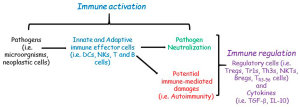
As is known, the immune system plays a critical role in defending the body against pathogens (such as viruses, bacteria, and fungi), foreign substances, and abnormal cells (such as tumor cells). This defensive action is mediated by numerous immune cells and molecules whose activity must be finely coordinated (to avoid insufficient responses that could lead to pathological conditions such as chronic infections or cancer) and properly regulated (to avoid self-destructive responses that could result in autoimmune conditions).
The regulation of the immune response is based on complex mechanisms involving regulatory cell populations, whose characterization is still only partially understood. This is the main scenario in which my research interests are situated. Specifically, my activities are focused on studying a regulatory lymphocyte population, originally described in a "Nature Metabolism" manuscript (2020) by Prof. Giuseppe Terrazzano research group.
This lymphocyte population, originally defined as TR3-56 by Prof. Terrazzano, was characterized as being able to exert control over the effector function of CD8+ T lymphocytes. This functional capability was studied and described in subjects affected by the autoimmune form of diabetes mellitus (T1D).
The aim of further characterizing the regulatory function of this lymphocyte subset, while also identifying potential scenarios and strategic perspectives for the therapeutic modulation of the TR3-56 population in human diseases, has guided my primary research activity all along my PhD. Specifically, my work has involved evaluating the role of TR3-56 lymphocytes in several diseases. Indeed, the alterations in number, percentage and functionality could be at the basis of determinism of pathogenetic mechanisms. In this regard, I focused the research on four different pathophysiological models: myelodysplastic syndromes (MDS), chronic lymphocytic leukemia (CLL), SARS-CoV-2 infection, and kidney transplant recipients. The obtained results point to a regulatory ability of TR3-56 and to the relevance for their dysregulation (in terms of number/percentage and function) in the pathogenesis of the above mentioned models.
How my position is funded
My PhD position is funded by competitive research grants provided by the supervisor, Prof. Giuseppe Terrazzano.
My motivations
The main reason that led me to pursue a PhD is the passion for immunology that my current supervisor induced in me during the previous academic experience that led to my high degree.
The opportunity to broaden my knowledge in this field, and also to try to contribute to immunology sciences, motivated me to attend this course of study.
Moreover, the constant opportunity to engage with a vibrant and stimulating cultural environment is both fulfilling and inspiring to me, and it is something I could never do without, both in my work and in my life.
A day in a PhD student’s life
My workday begins with careful planning of the activities to be carried out, in order to define the methods and timelines of the experimental approaches.
Typically, the morning is dedicated to experimental work, which in the field of immunology can be extremely varied and may involve, for example, the isolation of immune cells, their phenotypic and functional characterization, and in vitro cultivation to assess their interactions with each other or with infected or tumor cells.
Once the experimental work is completed, which in some cases may extend into the late afternoon, it is crucial to focus on the analysis, processing, and interpretation of the data obtained from the experiments. Periodically, this is done in collaboration with professors and fellow researchers.
Part of the afternoon is usually devoted to writing internal reports, preparing scientific articles, and drafting sections of research project proposals.
Several hours of my workday are also dedicated to personal study, which involves reading scientific article - this is essential to staying updated on the latest scientific advances and also to drive my own research activities.
An indispensable part of my workday is a meeting with my supervisor to discuss the activities carried out, plan upcoming tasks, and receive feedback and guidance.
Additionally, my workdays may include tutoring students, attending conferences, and participating in meetings with external collaborators.
My events
“Possibili applicazioni della citofluorimetria nella diagnostica delle malattie immunomediate” Convegno di studio “La medicina di laboratorio tra evoluzione e criticità”, Società Italiana di Patologia Clinica e Medicina di Laboratorio, SIPMEL. Portici (NA), 13 Maggio 2024. (Oral presentation)
“La citofluorimetria nella diagnostica delle malattie immunomediate” Corso di formazione in medicina di laboratorio, Ordine dei Biologi di Puglia e Basilicata. Foggia, 17 Febbraio 2024 (Oral presentation)
“Flow cytometry profile of innate and adaptive cytotoxic effectors in chronic lymphocytic leukaemia (CLL) subjects with stable disease” Carriero F, Rubino V, Leone S, Palatucci AT, Giovazzino A, Montanaro R, Brancaleone V, Nicolella V, Pane F, Calabrò M, Chiurazzi F, Ruggiero G, Terrazzano G. 3rd Meeting S.I.R.T.E.P.S. Favignana, 18-19 May 2023 (Poster session)
“Leukemia B cell clones show altered expression of MHC-I and antigen processing and presentation machinery in chronic lymphocytic leukemia subjects” Carriero F, Rubino V, Palatucci AT, Leone S, Giovazzino A, D’Ambrosio A, Nicolella V, Iannalfo M, Chiurazzi F, Ruggiero G, Terrazzano G. SIICA2022 National XIII Congress (Poster session)
My publications
Immune profile in COVID-19: unveiling TR3-56 cells in SARS-CoV-2 infection
Carriero F, Rubino V, Gelzo M, Scalia G, Raia M, Ciccozzi M, Gentile I, Pinchera B, Castaldo G, Ruggiero G, Terrazzano G
Int J Mol Sci. Submitted
Evaluation of the TR3-56 regulatory T cell subset in kidney transplant recipients
Rubino V, Carriero F, Palatucci AT, Giovazzino A, Salemi F, Carrano R, Sabbatini M, Ruggiero G, Terrazzano G
Int J Mol Sci. Submitted
Involvement of KV3.4 Channel in Parkinson's Disease: A Key Player in the Control of Midbrain and Striatum Differential Vulnerability during Disease Progression?
Magliocca G, Esposito E, Tufano M, Piccialli I, Rubino V, Tedeschi V, Sisalli MJ, Carriero F, Ruggiero G, Secondo A, Annunziato L, Scorziello A, Pannaccione A.
Antioxidants (Basel). Aug 2024
Parkinson's disease (PD), the second most common neurodegenerative disease in the elderly, is characterized by selective loss of dopaminergic neurons and accumulation of α-synuclein (α-syn), mitochondrial dysfunction, Ca2+ dyshomeostasis, and neuroinflammation. Since current treatments for PD merely address symptoms, there is an urgent need to identify the PD pathophysiological mechanisms to develop better therapies. Increasing evidence has identified KV3.4, a ROS-sensitive KV channel carrying fast-inactivating currents, as a potential therapeutic target against neurodegeneration. In fact, it has been hypothesized that KV3.4 channels could play a role in PD etiopathogenesis, controlling astrocytic activation and detrimental pathways in A53T mice, a well-known model of familial PD. Here, we showed that the A53T midbrain, primarily involved in the initial phase of PD pathogenesis, displayed an early upregulation of the KV3.4 channel at 4 months, followed by its reduction at 12 months, compared with age-matched WT. On the other hand, in the A53T striatum, the expression of KV3.4 remained high at 12 months, decreasing thereafter, in 16-month-old mice. The proteomic profile highlighted a different detrimental phenotype in A53T brain areas. In fact, the A53T striatum and midbrain differently expressed neuroprotective/detrimental pathways, with the variation of astrocytic p27kip1, XIAP, and Smac/DIABLO expression. Of note, a switch from protective to detrimental phenotype was characterized by the upregulation of Smac/DIABLO and downregulation of p27kip1 and XIAP. This occurred earlier in the A53T midbrain, at 12 months, compared with the striatum proteomic profile. In accordance, an upregulation of Smac/DIABLO and a downregulation of p27kip1 occurred in the A53T striatum only at 16 months, showing the slowest involvement of this brain area. Of interest, HIF-1α overexpression was associated with the detrimental profile in midbrain and its major vulnerability. At the cellular level, patch-clamp recordings revealed that primary A53T striatum astrocytes showed hyperpolarized resting membrane potentials and lower firing frequency associated with KV3.4 ROS-dependent hyperactivity, whereas primary A53T midbrain astrocytes displayed a depolarized resting membrane potential accompanied by a slight increase of KV3.4 currents. Accordingly, intracellular Ca2+ homeostasis was significantly altered in A53T midbrain astrocytes, in which the ER Ca2+ level was lower than in A53T striatum astrocytes and the respective littermate controls. Collectively, these results suggest that the early KV3.4 overexpression and ROS-dependent hyperactivation in astrocytes could take part in the different vulnerabilities of midbrain and striatum, highlighting astrocytic KV3.4 as a possible new therapeutic target in PD.
Regulatory TR3-56 Cells in the Complex Panorama of Immune Activation and Regulation
https://www.ncbi.nlm.nih.gov/pmc/articles/PMC10742044/
Carriero F, Rubino V, Leone S, Montanaro R, Brancaleone V, Ruggiero G, Terrazzano G.
Cells. Dec 2023
The interplay between immune activation and immune regulation is a fundamental aspect of the functional harmony of the immune system. This delicate balance is essential to triggering correct and effective immune responses against pathogens while preventing excessive inflammation and the immunopathogenic mechanisms of autoimmunity. The knowledge of all the mechanisms involved in immune regulation is not yet definitive, and, probably, the overall picture is much broader than what has been described in the scientific literature so far. Given the plasticity of the immune system and the diversity of organisms, it is highly probable that numerous other cells and molecules are still to be ascribed to the immune regulation process. Here, we report a general overview of how immune activation and regulation interact, based on the involvement of molecules and cells specifically dedicated to these processes. In addition, we discuss the role of TR3-56 lymphocytes as a new cellular candidate in the immune regulation landscape.
Insights on the Multifaceted Roles of Wild-Type and Mutated Superoxide Dismutase 1 in Amyotrophic Lateral Sclerosis Pathogenesis.
https://www.ncbi.nlm.nih.gov/pmc/articles/PMC10525763/
Rubino V, La Rosa G, Pipicelli L, Carriero F, Damiano S, Santillo M, Terrazzano G, Ruggiero G, Mondola P.
Antioxidants (Basel). Sep 2023
Amyotrophic Lateral Sclerosis (ALS) is a progressive motor neurodegenerative disease. Cell damage in ALS is the result of many different, largely unknown, pathogenetic mechanisms. Astrocytes and microglial cells play a critical role also for their ability to enhance a deranged inflammatory response. Excitotoxicity, due to excessive glutamate levels and increased intracellular Ca2+ concentration, has also been proposed to play a key role in ALS pathogenesis/progression. Reactive Oxygen Species (ROS) behave as key second messengers for multiple receptor/ligand interactions. ROS-dependent regulatory networks are usually mediated by peroxides. Superoxide Dismutase 1 (SOD1) physiologically mediates intracellular peroxide generation. About 10% of ALS subjects show a familial disease associated with different gain-of-function SOD1 mutations. The occurrence of sporadic ALS, not clearly associated with SOD1 defects, has been also described. SOD1-dependent pathways have been involved in neuron functional network as well as in immune-response regulation. Both, neuron depolarization and antigen-dependent T-cell activation mediate SOD1 exocytosis, inducing increased interaction of the enzyme with a complex molecular network involved in the regulation of neuron functional activity and immune response. Here, alteration of SOD1-dependent pathways mediating increased intracellular Ca2+ levels, altered mitochondria functions and defective inflammatory process regulation have been proposed to be relevant for ALS pathogenesis/progression.
Adaptive and Innate Cytotoxic Effectors in Chronic Lymphocytic Leukaemia (CLL) Subjects with Stable Disease.
https://www.ncbi.nlm.nih.gov/pmc/articles/PMC10253385/
Rubino V, Carriero F, Palatucci AT, Giovazzino A, Leone S, Nicolella V, Calabrò M, Montanaro R, Brancaleone V, Pane F, Chiurazzi F, Ruggiero G, Terrazzano G.
Int J Mol Sci. May 2023
Abstract: Chronic lymphocytic leukaemia (CLL) is characterised by the expansion of a neoplastic mature B cell clone. CLL clinical outcome is very heterogeneous, with some subjects never requiring therapy and some showing an aggressive disease. Genetic and epigenetic alterations and pro-inflammatory microenvironment influence CLL progression and prognosis. The involvement of immune-mediated mechanisms in CLL control needs to be investigated. We analyse the activation profile of innate and adaptive cytotoxic immune effectors in a cohort of 26 CLL patients with stable disease, as key elements for immune-mediated control of cancer progression. We observed an increase in CD54 expression and interferon (IFN)-γ production by cytotoxic T cells (CTL). CTL ability to recognise tumour-targets depends on human leukocyte antigens (HLA)-class I expression. We observed a decreased expression of HLA-A and HLA-BC on B cells of CLL subjects, associated with a significant reduction in intracellular calnexin that is relevant for HLA surface expression. Natural killer (NK) cells and CTL from CLL subjects show an increased expression of the activating receptor KIR2DS2 and a reduction of 3DL1 and NKG2A inhibiting molecules. Therefore, an activation profile characterises CTL and NK cells of CLL subjects with stable disease. This profile is conceivable with the functional involvement of cytotoxic effectors in CLL control.
Hydrogen sulfide donor AP123 restores endothelial nitric oxide-dependent vascular function in hyperglycemia via a CREB-dependent pathway.
https://www.ncbi.nlm.nih.gov/pmc/articles/PMC10025109/
Montanaro R, Vellecco V, Torregrossa R, Casillo GM, Manzo OL, Mitidieri E, Bucci M, Castaldo S, Sorrentino R, Whiteman M, Smimmo M, Carriero F, Terrazzano G, Cirino G, d'Emmanuele di Villa Bianca R, Brancaleone V.
Redox Biol. Jun 2023
Diabetes is associated with severe vascular complications involving the impairment of endothelial nitric oxide synthase (eNOS) as well as cystathionine γ-lyase (CSE) activity. eNOS function is suppressed in hyperglycaemic conditions, resulting in reduced NO bioavailability, which is paralleled by reduced levels of hydrogen sulfide (H2S). Here we have addressed the molecular basis of the interplay between the eNOS and CSE pathways. We tested the impact of H2S replacement by using the mitochondrial-targeted H2S donor AP123 in isolated vessels and cultured endothelial cells in high glucose (HG) environment, at concentrations not causing any vasoactive effect per se. Aorta exposed to HG displayed a marked reduction of acetylcholine (Ach)-induced vasorelaxation that was restored by the addition of AP123 (10 nM). In HG condition, bovine aortic endothelial cells (BAEC) showed reduced NO levels, downregulation of eNOS expression, and suppression of CREB activation (p-CREB). Similar results were obtained by treating BAEC with propargylglycine (PAG), an inhibitor of CSE. AP123 treatment rescued eNOS expression, as well as NO levels, and restored p-CREB expression in both the HG environment and the presence of PAG. This effect was mediated by a PI3K-dependent activity since wortmannin (PI3K inhibitor) blunted the rescuing effects operated by the H2S donor. Experiments performed in the aorta of CSE-/- mice confirmed that reduced levels of H2S not only negatively affect the CREB pathway but also impair Ach-induced vasodilation, significantly ameliorated by AP123. We have demonstrated that the endothelial dysfunction due to HG involves H2S/PI3K/CREB/eNOS route, thus highlighting a novel aspect of the H2S/NO interplay in the vasoactive response.
The potential etiopathogenetic role and diagnostic utility of CD3+ CD56+ regulatory T lymphocytes in Myelodysplastic Syndromes.
https://pubmed.ncbi.nlm.nih.gov/36660793/
Rubino V, Leone S, Carriero F, Pane F, Ruggiero G, Terrazzano G.
Letter to the editor of European Journal of Haematology. May 2023
Bone marrow CD3+ CD56+ regulatory T lymphocytes (TR3-56 cells) are inversely associated with activation and expansion of bone marrow cytotoxic T cells in IPSS-R very-low/low risk MDS patients.
https://www.ncbi.nlm.nih.gov/pmc/articles/PMC9543123/
Leone S, Rubino V, Palatucci AT, Giovazzino A, Carriero F, Cerciello G, Pane F, Ruggiero G, Terrazzano G.
Eur J Haematol. Oct 2022
Emergence of dysplastic haematopoietic precursor/s, cytopenia and variable leukaemia risk characterise myelodysplastic syndromes (MDS). Impaired immune‐regulation, preferentially affecting cytotoxic T cells (CTL), has been largely observed in MDS. Recently, we described the TR3−56 T cell subset, characterised by the co‐expression of CD3 and CD56, as a novel immune‐regulatory population, able to modulate cytotoxic functions. Here, we address the involvement of TR3−56 cells in MDS pathogenesis/progression. We observed that a trend‐increase of BM TR3−56 in high/very‐high MDS stage, as compared with very‐low/low group, associates with a decreased activation of BM resident CTL; significant correlation of TR3−56 with BM blasts has been also revealed. In addition, in very‐low/low‐risk subjects the TR3−56 amount in BM inversely correlates with the presence of activated BM CTL showing a skewed Vβ T‐cell repertoire.
These data add TR3−56 to the immune‐regulatory network involved in MDS pathogenesis/progression. Better knowledge of the immune‐mediated processes associated with the disease might improve MDS clinical management.
Pro-Inflammatory and Immunological Profile of Dogs with Myxomatous Mitral Valve Disease.
https://www.ncbi.nlm.nih.gov/pmc/articles/PMC9315642/
Piantedosi D, Musco N, Palatucci AT, Carriero F, Rubino V, Pizzo F, Nasir S, Molinaro G, Ruggiero G, Terrazzano G, Lombardi P, Cortese L.
Vet Sci. Jun 2022
Myxomatous mitral valve disease (MMVD) is a very frequently acquired cardiac disease in dog breeds and is responsible for congestive heart failure (CHF). The involvement of the immune system and pro-inflammatory cytokines in dogs with CHF due to mitral valve disease has not yet been extensively investigated. Here, we investigate the role of pro-inflammatory cytokines and the dysfunction of the immune system in dogs with different stages of severity through the blood assessment of CD4+FoxP3+regulatory T cells (Treg) cells, leptin, tumor necrosis factor (TNF)-α, interleukin (IL)-1β and IL-6 pro-inflammatory cytokines, and immunological and echocardiographic parameters. A total of 36 cardiopathic dogs, 14 females and 22 males, with MMVD were included. Mean age and body weight (BW) at the time of enrollment were 10.7 ± 2.77 years and 10.9 ± 6.69 kg, respectively. For the comparison of the pro-inflammatory and immunological parameters, two groups of healthy dogs were also established. Control group 1 consisted of young animals (n. 11; 6 females and 5 males), whose age and mean weight were 4.1 ± 0.82 years and 13.8 ± 4.30 kg, respectively. Control group 2 consisted of elderly dogs (n. 12; 6 females and 6 males), whose age and BW were 9.6 ± 0.98 years and 14.8 ± 6.15 kg, respectively. Of particular interest, an increase in Treg cells was observed in the cohort of MMVD dogs, as compared to the healthy dogs, as Treg cells are involved in the maintenance of peripheral tolerance, and they are involved in etiopathogenetic and pathophysiological mechanisms in the dog. On the other hand, TNF-α, IL-1β, and IL-6 significantly increased according to the severity of the disease in MMVD dogs. Furthermore, the positive correlation between IL-6 and the left ventricle diastolic volume suggests that inflammatory activation may be involved in cardiac remodeling associated with the progressive volumetric overload in MMVD.
Superoxide Dismutase-1 Intracellular Content in T Lymphocytes Associates with Increased Regulatory T Cell Level in Multiple Sclerosis Subjects Undergoing Immune-Modulating Treatment.
https://www.ncbi.nlm.nih.gov/pmc/articles/PMC8750574/
Rubino V, Palatucci AT, La Rosa G, Giovazzino A, Aruta F, Damiano S, Carriero F, Santillo M, Iodice R, Mondola P, Ruggiero G, Terrazzano G.
Antioxidants (Basel). Dec 2021
Reactive oxygen species (ROS) participate in the T-cell activation processes. ROS-dependent regulatory networks are usually mediated by peroxides, which are more stable and able to freely migrate inside cells. Superoxide dismutase (SOD)-1 represents the major physiological intracellular source of peroxides. We found that antigen-dependent activation represents a triggering element for SOD-1 production and secretion by human T lymphocytes. A deranged T-cell proinflammatory response characterizes the pathogenesis of multiple sclerosis (MS). We previously observed a decreased SOD-1 intracellular content in leukocytes of MS individuals at diagnosis, with increasing amounts of such enzyme after interferon (IFN)-b 1b treatment. Here, we analyzed in depth SOD-1 intracellular content in T cells in a cohort of MS individuals undergoing immune-modulating treatment. Higher amounts of the enzyme were associated with increased availability of regulatory T cells (Treg) preferentially expressing Foxp3-exon 2 (Foxp3-E2), as described for effective Treg. In vitro administration of recombinant human SOD-1 to activated T cells, significantly increased their IL-17 production, while SOD-1 molecules lacking dismutase activity were unable to interfere with cytokine production by activated T cells in vitro. Furthermore, hydrogen peroxide addition was observed to mimic, in vitro, the SOD-1 effect on IL-17 production. These data add SOD-1 to the molecules involved in the molecular pathways contributing to re-shaping the T-cell cytokine profile and Treg differentiation.